Buġibba
Anna Aerial Yoga and Pilates
A small studio in Buġibba teaching aerial yoga in hammocks alongside mat and power Pilates.
From €15 a class
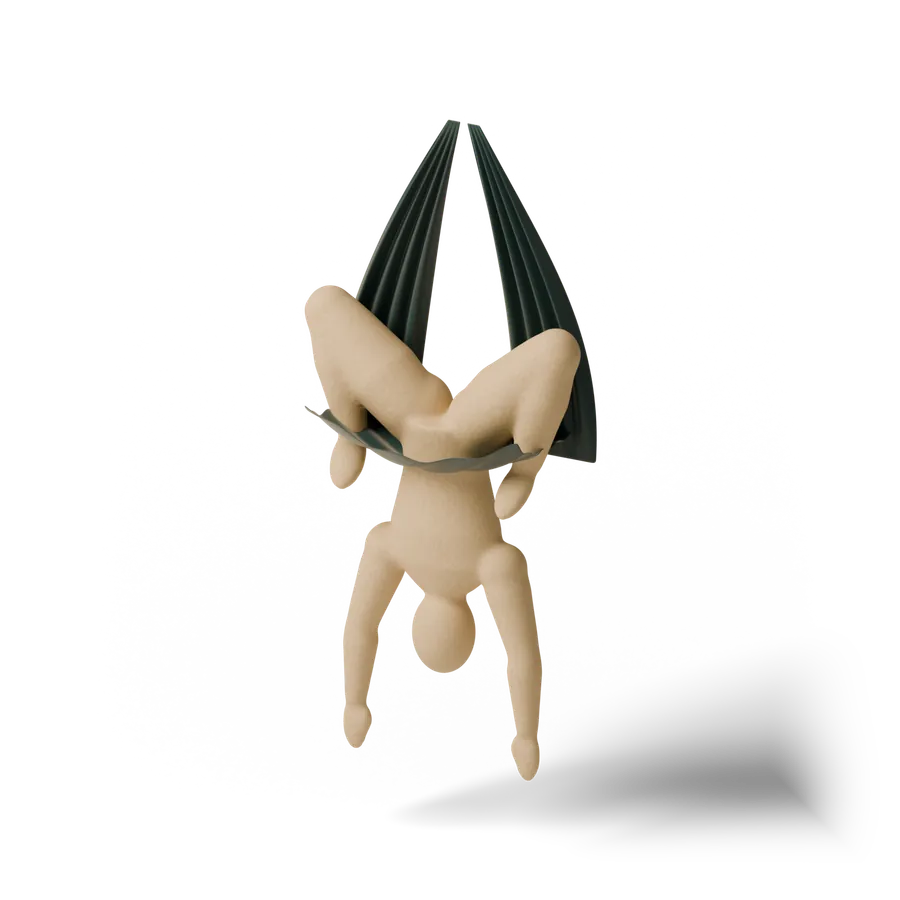
Aerial yoga uses a soft fabric hammock hung from the ceiling to support you in stretches, poses and gentle inversions. In Malta you can try it at Island Yoga in Sliema, Anna Aerial Yoga in Buġibba and Zen Yoga Studio in Mellieħa.
Updated 2 November 2026
Buġibba
A small studio in Buġibba teaching aerial yoga in hammocks alongside mat and power Pilates.
From €15 a class
Sliema · Qormi
A Sliema studio group with non-heated yoga, Pilates and aerial at Dingli Street, plus infrared-heated classes, a meditation and sound room, and reformer Pilates in the Remedies building on Rudolph Street.
From €25 a class
Gżira · Sliema · Msida · Għajn Tuffieħa
An outdoor-led yoga provider based on Manoel Island in Gżira, teaching at seaside locations as well as on sailing and paddleboard sessions.
From €17 a class
Mellieħa
A studio in Mellieħa offering aerial yoga on hammocks alongside vinyasa, hatha, yin and a gentle class for over-50s.
From €12 a class
St Paul's Bay
A dedicated yoga studio with an address in St Paul's Bay, teaching power, aerial, ashtanga and rope-wall classes.
Price not published
Mellieha
A hotel on Marfa Bay in the far north of Malta, with spa services by Carisma Spa & Wellness.
Price not published
For most people in Malta, the choice of aerial class comes down to geography. In the Sliema area, Island Yoga is the obvious choice. In the north, Anna Aerial Yoga in Buġibba and Zen Yoga Studio in Mellieħa are both closer to home. Hotel guests up at Marfa Bay can ask at the Riviera Spa Resort.
Each student has a hammock of soft, stretchy fabric, hung from the ceiling at around hip height. The class starts on or near the floor with a gentle warm-up, using the hammock like a strap to lean into or hang from. It then moves on to standing poses with the fabric supporting your weight, such as a lunge with one leg resting in the sling. Later, the teacher may show you how to sit in it, wrap it round your thighs, and tip back to hang upside down, with your hands near or on the floor.
The first inversion is the moment most people remember. It feels odd, then funny, and for many people, surprisingly pleasant. Teachers go through it step by step, and you stay low to the ground. Nobody is performing on high silks, and you can skip it. Classes often finish with you lying cocooned inside the hammock, swaying a little, which is many people’s favourite part.
Malta classes vary. Anna Aerial lists all its sessions at one hour, and Zen Yoga Studio’s Foundations of Aerial Yoga is also an hour, which is usually about right for a beginner.
Using ropes and supports in yoga isn’t new. B.K.S. Iyengar used wall ropes and slings so that students could hold poses for longer. The modern hammock class is usually credited to Christopher Harrison, an American performer and gymnast who developed AntiGravity Yoga in New York. Plenty of teachers and schools have since developed their own versions.
It suits curious beginners, people bored by mat classes and anyone who wants to feel what an inversion is like without balancing on their head. Because the hammock takes some of your weight, you may be able to explore poses that are out of reach on the floor. Some people find hanging eases a tight back, and regular practice may build core and grip strength, but go by how you feel, and don’t treat it as a back treatment.
If you dislike heights, spinning or being held in fabric, you may find it unsettling, though you’re never high up. It’s also not for anyone who wants a quiet class.
The main concern is being upside down, which raises pressure in the head and eyes. Talk to your doctor before booking, and tell the teacher, if you have:
During pregnancy, aerial yoga generally isn’t recommended unless your doctor agrees and your teacher is qualified to adapt it. Anna Aerial also runs prenatal classes, but check they’re what you need before assuming the hammock is included. If you feel sick or dizzy, come up slowly and sit down.
Some studios have a weight limit for rigging or hammocks, so ask if this is a concern. It’s a normal question, and teachers hear it often.
Mat yoga, such as hatha or vinyasa, works mostly against the floor, whereas aerial takes part of your weight off and adds movement in the air. It’s closer to play. Compared with aerial silks or hoop, which are circus disciplines that demand serious strength, a yoga hammock hangs low and is built around support. Island Yoga’s teacher training list includes Aerial Hoop and Aerial Slings as separate courses, which gives you an idea of how wide the field has become. Pole dance, which you’ll find at some Malta fitness studios, is a different skill again. The guide to choosing the right yoga style can help if you’re undecided.
Island Yoga runs aerial at its Dingli Street studio, away from the heated rooms, so you won’t be doing it in the heat. One membership covers all its sites, and props are included. There are no walk-ins, no cash and doors close five minutes before class, so book ahead and get there early. Its kids’ classes run from the same site.
Anna Aerial Yoga and Pilates is a small studio teaching aerial yoga alongside mat and power Pilates, stretch and mobility, plus prenatal and mummy-and-baby classes. All classes are described as suitable for beginners, and it’s one of few studios around the St Paul’s Bay area, so it’s handy for visitors there. Pay and book online in advance, because there are no walk-ins, and new clients who arrive late can’t join.
Zen Yoga Studio is equipped with aerial hammocks and Manduka mats, and it offers Foundations of Aerial Yoga, a separate aerial bundle, and Aerial Yoga Kids for children. It also teaches Wheel Yoga, if you want something else unusual to try.
Riviera Spa Resort lists traditional and aerial yoga on its Experience page, but it publishes no timetable or class prices. Package-holiday sites disagree on whether sessions are free or chargeable, and some list a minimum guest age of 16. Ask the hotel if you’re staying there. It’s on Marfa Bay in the far north, and shouldn’t be confused with Riviera beach at Għajn Tuffieħa, a different bay.
PowerYogaWorld describes itself as Malta’s only fully equipped aerial centre, with 12 hammocks. That’s its own claim, and the studio’s site gives conflicting locations, while its regular rates page wasn’t working when last checked. Confirm where it is and what it costs before you plan a trip.
Yoga Malta, which has no connection with this website, runs a four-day aerial teacher training in Ta’ Xbiex, and lists aerial among its styles, but its regular classes are mostly outdoors. Ask whether public aerial sessions are running. The training is on what’s on.
Aerial is one style that’s largely unaffected by the weather, since rigging keeps it indoors. That makes it a good choice in a windy February or on a day when outdoor classes are cancelled. It’s still a warm workout in August, though, and fabric clings to sweaty skin, so check how the room is cooled and bring a small towel. Rooms hold a set number of hammocks, so popular slots can fill up.
The studios sit in very different places. Parking and traffic make Sliema better by bus or on foot if you’re close, and Coast Road traffic can slow the trip to Buġibba or Mellieħa from the centre. Late arrival is a real problem here, as some studios won’t let you in, so give yourself extra time.
Don’t eat for at least two hours beforehand, because tipping upside down on a full stomach is a mistake you’ll only make once. Remove jewellery, skip the body lotion, which can make the fabric slippery, and wear fitted, full-length clothes. Bring water. Take your time getting up after inversions, and let the teacher know if it’s your first class.
Mats are provided at some studios but not all, so check. See what to bring to your first yoga lesson for the basics, and the beginners’ guide if you’re new to yoga altogether. Aerial is often priced differently from mat classes, so compare options on the prices page.
Choose by how you want to feel afterwards: hatha for a steady introduction, vinyasa for movement, yin or restorative for calm, and hot, power or ashtanga for a hard workout. Most people need two or three trial classes to know.
Start with a slower hatha or gentle flow class near home or work, once or twice a week for a month. In Malta a single class usually costs about €10 to €25, and many studios welcome complete beginners.
Vinyasa is yoga that keeps moving, with each pose flowing into the next in time with your breath. In Malta you'll find it in studios from Sliema to Mellieħa, and outdoors on Manoel Island and by the sea in Valletta.