Gżira · Sliema · Msida · Għajn Tuffieħa
Yoga Malta
An outdoor-led yoga provider based on Manoel Island in Gżira, teaching at seaside locations as well as on sailing and paddleboard sessions.
From €17 a class
SUP yoga is yoga on a stand-up paddleboard, usually on calm water, where every pose doubles as a balance exercise. In Malta, Yoga Malta sells a 90-minute session with equipment and an introduction included.
Updated 2 November 2026
Gżira · Sliema · Msida · Għajn Tuffieħa
An outdoor-led yoga provider based on Manoel Island in Gżira, teaching at seaside locations as well as on sailing and paddleboard sessions.
From €17 a class
St Paul's Bay
A dedicated yoga studio with an address in St Paul's Bay, teaching power, aerial, ashtanga and rope-wall classes.
Price not published
Paddleboard yoga is one of Malta’s more seasonal treats, and the choice is small. Yoga Malta, an outdoor operator based on Manoel Island and no relation to this website, is the one active provider with a clear published offer: a 90-minute session with equipment and an intro included. PowerYogaWorld also lists SUP among its styles, but gives no details. A third name, SUP Yoga & Fitness Malta, appears in older listings, though its status is unconfirmed.
You’ll usually start on shore with a short briefing on the board, the paddle and how to get on and off. Then you kneel, paddle out to a calm spot and settle. In many sessions the boards are held in place by an anchor or tied together, though the set-up varies, so ask.
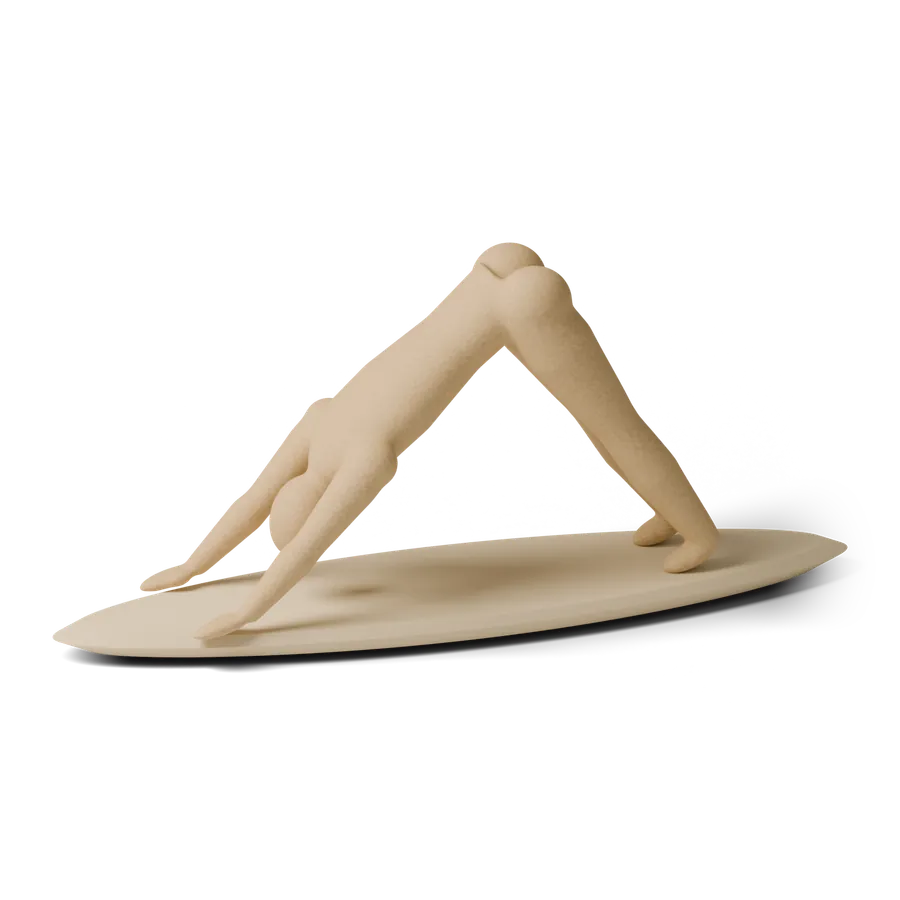
The yoga itself is fairly simple. A paddleboard is around the width of a mat and a bit, and it moves with every shift of weight, so teachers stick with low, stable poses first: seated breathing, cat-cow, tabletop, then downward dog and a low lunge. Standing poses come later, for those who want them. Anything you find easy on a mat takes more concentration here, because your feet, hips and core are working to stay level. Most people finish with savasana on the board, arms trailing in the water, which is really why they came.
You will probably fall in, or come close. It’s a soft landing, it’s funny, and it cools you down.
It’s a great choice for confident swimmers, couples and friends looking for a shared activity on holiday, and for yoga students who want a challenge. Regular yoga experience helps but isn’t essential, since a good session keeps things basic. It may help with balance and core strength, though for most people the appeal is simply being on the water.
Skip it or get advice if:
Children’s age limits vary, so ask the operator.
A mat class gives you a stable floor, so you can focus on alignment. On a board, alignment takes second place to balance, and you’ll do fewer, simpler poses. It’s also an outing rather than a class, with travel, kit and weather to think about, so it costs more and happens less often. For most people it’s something to book once or twice a year.
If you like being outdoors but want a steadier surface, an outdoor yoga class on land gives you the same sea air. Yoga Malta also sells a sunset sailing experience with yoga and meditation on board, which suits those who want to be on the water without being responsible for staying upright.
Yoga Malta lists SUP yoga as a 90-minute session with equipment and an introduction included. It isn’t covered by the operator’s class passes, so it’s paid for separately, and there’s also a longer SUP tour without the yoga focus. Its base is on Manoel Island in the Gżira and Msida area, but the exact launch point isn’t published in the information held here, so confirm where to meet when you book. See the prices page or the provider listing for current costs.
PowerYogaWorld lists SUP among its styles. No session details appear in its listing, and its site gives conflicting locations, so contact the studio to find out whether anything is currently running.
SUP Yoga & Fitness Malta is listed as a paddleboard yoga provider in St Julian’s. Its website wasn’t loading when last checked, no recent activity could be found, and its meeting point differs between listings. Treat it as unconfirmed and check before making any plans.
Malta’s coastline has plenty of sheltered water, and that’s what you’re after. Calm bays and inlets on the northeast coast, such as Spinola Bay in St Julian’s, and the harbour-side waters near Manoel Island, tend to offer more shelter than open coast. They also have boat traffic, particularly in summer, so stick with a guided session and don’t wander.
In the north, bays such as Mellieħa and St Paul’s are popular with paddlers and swimmers, and Gozo has small inlets worth exploring if you already paddle. Just remember that a pretty bay isn’t necessarily a safe one on a given day.
The wind decides almost everything. The prevailing wind is the northwesterly majjistral, and a grigal from the northeast or a xlokk from the southeast can make a coast that was flat yesterday too choppy to stand on. A bay sheltered from one wind can be exposed to another. Local operators read this far better than a weather app, so take their word for it if they call off a session.
Seasons matter, too:
Watch out for the sun. Light reflects off the water, and a sea breeze can stop you noticing the burn, so wear water-resistant sun cream, and consider a long-sleeved top and a hat that won’t blow off. Jellyfish occasionally drift into Maltese bays in numbers, and an operator will know if they’re around.
If you’re here on holiday, book early in your trip. That way, a windy morning means rescheduling and not missing out.
Parking around St Julian’s and Sliema is difficult in summer, so allow extra time or take the bus or ferry. You don’t want to arrive flustered, and you may well be travelling back wet.
Wear a swimsuit or quick-drying kit that you don’t mind getting soaked. Bring a towel, a change of clothes, plenty of water, sun cream and a dry bag for your phone, or leave it behind. Take off rings and other jewellery that you’d be sad to lose to the seabed. Yoga on a board is done barefoot, and water shoes can help on rocky entry points.
Before paying, ask the operator:
For more ways to practise by the sea, see the guide to outdoor yoga in Malta. If you’re building a trip around it, the yoga holiday guide has ideas, and upcoming events are on what’s on.
Outdoor yoga in Malta runs mainly around Manoel Island, Sliema, Mellieħa, Valletta, Birgu and Qbajjar in Gozo, and spring and autumn are the most comfortable seasons. In summer, go at sunrise or close to sunset, and take the sun and wind seriously.
Stay in Sliema or St Julian's for the most classes within easy reach, or in Mellieħa or on Gozo for a quieter trip. Book every class in advance, because many Maltese studios do not take walk-ins.
Vinyasa is yoga that keeps moving, with each pose flowing into the next in time with your breath. In Malta you'll find it in studios from Sliema to Mellieħa, and outdoors on Manoel Island and by the sea in Valletta.